
Gadgets and Tech
6 min read
How Habit Tracking Wearables Help Break Bad Habits
October 12 , 2026
By Ethan Carter
Introduction: Struggling to Stay Consistent With Good Habits?
Do you repeatedly snooze, procrastinate, or struggle to change unwanted habits? You are not alone. Many people find it difficult to maintain routines, even when they set clear goals. Fortunately, technology can support positive changes. Pavlok offers wearable solutions that encourage awareness and help users develop better daily habits. With the right tools, you can take practical steps toward lasting improvement.
Common Problems That Make Habits Difficult to Change
Building better habits requires more than motivation. Everyday distractions, busy schedules, and automatic behaviors often interrupt progress.
Here are some common challenges:
- Repeated snoozing: You delay getting up and start your morning feeling rushed.
- Procrastination: You postpone important tasks, even as deadlines approach.
- Unhealthy routines: You repeatedly bite your nails, scroll excessively, or engage in other unwanted behaviors.
- Inconsistent schedules: You struggle to maintain regular sleep, exercise, or productivity routines.
- Low accountability: You forget your goals when daily responsibilities overwhelm you.
These challenges can cause frustration. However, recognizing your triggers helps you choose more effective solutions.
Why Do Bad Habits Become So Difficult to Break?
Habits often develop through repetition. When you repeat an action in response to a specific situation, your brain gradually learns that pattern. For example, you might reach for your phone whenever you feel bored. Similarly, you may hit snooze because staying in bed feels easier than getting up.
Several factors contribute to these patterns:
- Environmental triggers: Your surroundings encourage familiar behaviors.
- Immediate rewards: Unhealthy habits sometimes provide instant comfort or entertainment.
- Limited awareness: You may perform certain actions without consciously noticing them.
- Unrealistic expectations: Changing several habits simultaneously can overwhelm you.
Understanding these causes helps you approach behavior change more effectively. Instead of relying entirely on willpower, combine practical strategies with tools that support consistency.
Practical Ways to Build Better Daily Habits
You do not need to transform your entire lifestyle overnight. Instead, start with manageable changes and gradually build momentum.
1. Set Small, Achievable Goals
Choose one behavior you want to improve. For instance, simplify your morning routine by setting a goal to get out of bed immediately. Small goals reduce pressure and make progress easier to measure. As you achieve them, you can gradually introduce additional changes.
2. Identify Your Habit Triggers
Pay attention to situations that encourage unwanted behaviors. For example, if boredom leads to excessive phone use, keep your phone away during focused work sessions. Once you understand your triggers, you can develop healthier responses. Consequently, you gain more control over your daily decisions.
3. Use Reminders and Accountability Tools
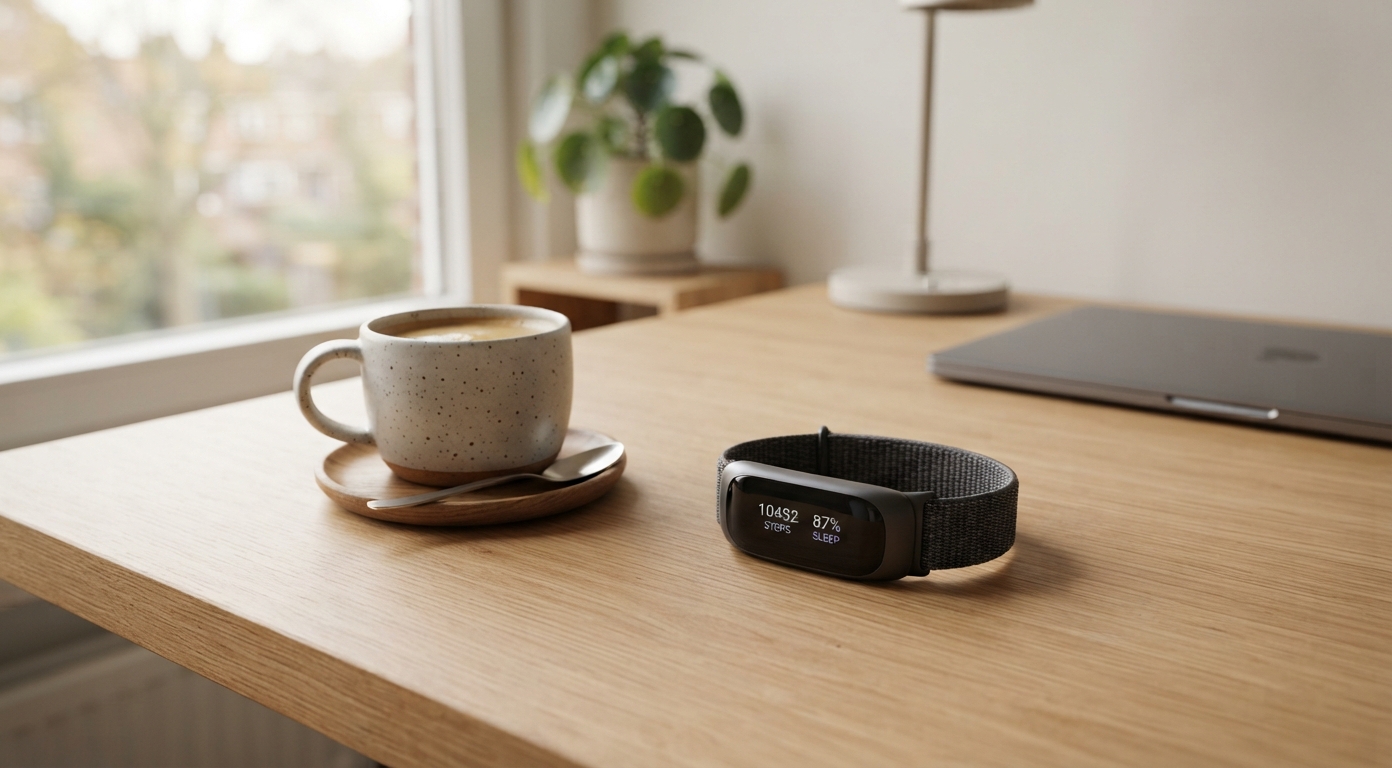
Habit tracking wearables can help you monitor routines and remember personal goals. Depending on their features, these devices may provide reminders, feedback, or signals that increase awareness. Additionally, use a simple habit journal to record your progress. Reviewing your entries helps you recognize patterns and celebrate improvements.
4. Establish a Consistent Sleep Schedule
A regular bedtime and wake-up time can support a predictable morning routine. If you frequently hit snooze, place your alarm away from your bed. Smart alarm watches may provide additional reminders or wearable alerts, depending on the model. However, choose features that support your needs instead of adding unnecessary distractions.
How Habit Tracking Wearables Can Support Lasting Change
Traditional reminders can help, but you may eventually start ignoring them. In contrast, habit tracking wearables offer another way to keep your goals in mind throughout the day. These devices can provide feedback or prompts without requiring you to check your phone constantly. Some models also support behavior-change strategies that help users recognize and interrupt unwanted patterns.
When comparing habit tracking wearables, consider these features:
- Ease of use: Choose a device that fits comfortably into your daily routine.
- Useful feedback: Look for reminders or signals that support your specific goals.
- Personalization: Check whether you can adjust settings to suit your preferences.
- Practical design: Select a device you can wear consistently.
- Goal alignment: Prioritize features that address your actual challenges.
Ultimately, the best device complements your routine rather than replacing your personal effort.
Pavlok: A Different Approach to Habit Change
If ordinary reminders have not helped you stay consistent, Pavlok offers an alternative approach to behavior change. Its wearable devices aim to increase awareness of unwanted habits and encourage alternative responses. Depending on the model, Pavlok devices may use cues such as vibrations, sounds, or optional electrical stimulation to interrupt habitual behavior. You can explore the available features and determine which options suit your preferences and goals. Unlike a basic reminder that simply tells you what to do, a habit-breaking device aims to provide a noticeable prompt when a particular behavior occurs or requires attention. However, technology alone cannot guarantee lasting results. Pavlok works best as part of a broader strategy that includes identifying triggers, setting realistic goals, and practicing healthier alternatives.
Benefits of Choosing the Right Habit-Breaking Devices
The right device can make your behavior-change plan easier to follow. Nevertheless, its value depends on how well it addresses your individual needs.
Improved Awareness
Habit-breaking devices can help you notice behaviors that you might otherwise perform automatically. Greater awareness gives you an opportunity to pause and choose a different response.
Better Daily Consistency
Habit tracking wearables can reinforce routines through reminders and feedback. Over time, these prompts may encourage you to make more intentional daily choices.
More Structured Mornings
Smart alarm watches and other wearable reminders can support consistent wake-up routines. For better results, combine these tools with adequate sleep and a regular bedtime.
Greater Personal Accountability
Tracking your progress helps you identify improvements and recognize areas that need attention. Rather than expecting perfection, focus on steady progress and realistic milestones. Before upgrading, compare device features, comfort, costs, and available settings. Also, review how each device delivers stimulation and determine whether its features match your comfort level.
Conclusion: Make Your Next Habit Change More Manageable
Breaking unwanted habits does not require perfect discipline. Instead, you need awareness, consistent practice, and strategies that fit your everyday life. First, identify one behavior you want to change. Next, establish a realistic goal, recognize your triggers, and track your progress. Meanwhile, habit tracking wearables and smart alarm watches can provide useful support when their features match your needs. If you want a more structured approach, explore how Pavlok fits into your behavior-change plan. By combining practical strategies with suitable tools, you can develop healthier routines and build habits that serve you better over time.
live smarter
Shop smarter, live better, and stay ahead of the trends with our reliable recommendations!






trending
Gadgets and Tech
6 min read
How to Choose a Smart Key Organizer, Bluetooth Key Tracker, and EDC Multitools
Gadgets and Tech
5 min read
Looking for a Water Bottle That Stays Cold? Here’s Why COLDEST Stands Out
Gadgets and Tech
4 min read
Top 10 Must-Have Tech Gadgets of 2026 That Will Simplify Your Life
Gadgets and Tech
4 min read
Elephant Robotics: Smart, Fun, and Useful Robots for Learning and Creating
Gadgets and Tech
7 min read