
Health and Beauty
6 min read
How to Choose the Right Red Light Therapy Devices for Your Wellness Routine
October 17 , 2026
By Daryl Fillion
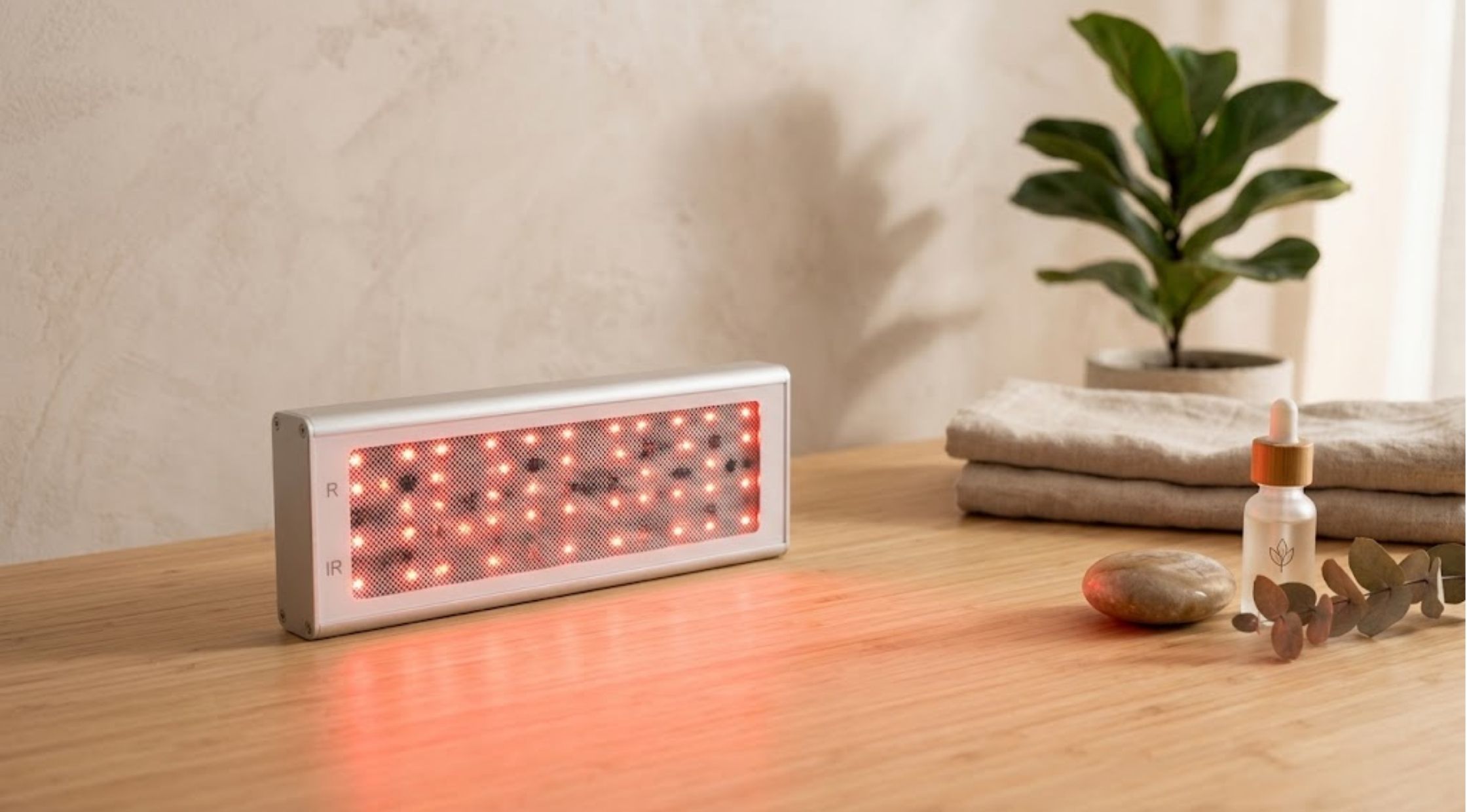
You buy skincare products, exercise regularly, or try to improve your recovery routine but still feel like something is missing. Maybe your skin looks tired, your muscles need more recovery after workouts, or you simply want a convenient wellness routine you can maintain at home.
That is where Red Light Therapy has attracted so much attention. Instead of adding another complicated step to your lifestyle, light-based wellness devices are designed to make targeted light exposure part of a routine.
But there is one problem: choosing between different Red Light Therapy Devices can be surprisingly confusing. Panels, masks, pads, belts, and handheld devices can all look similar at first glance, yet they are designed for different types of use.
The key is to choose based on your actual goals, not simply the device with the most impressive-looking specifications.
Why Choosing a Red Light Device Can Be Difficult
One of the biggest mistakes people make is assuming every red light product works in the same way.
Different devices can vary in wavelength range, coverage area, intensity, portability, design, and intended application. Some are designed primarily for facial skincare, while others are better suited to larger areas of the body.
Your routine matters too. A powerful device that sits unused in a closet isn't particularly useful. On the other hand, a compact device that fits naturally into your day may be easier to use consistently.
Before buying anything, start by identifying what you actually want from Red Light Therapy.
Start With Your Main Goal
Think about the reason you're considering light therapy in the first place.
For skincare
If your priority is skin appearance, a facial device or mask may make more sense than a large body panel. Targeted devices can be easier to incorporate into an existing skincare routine.
For recovery
If you're interested in post-workout recovery or supporting specific areas of the body, look for a flexible pad, belt, or panel that can be positioned around the area you want to target.
For broader wellness routines
People looking for more flexibility may prefer a larger or multi-purpose device that can be used on different parts of the body.
Therasage, for example, currently offers several formats, including the Tri-Lite panel, facial devices, a recovery glove, a recovery belt, and other targeted products.
The important lesson is simple: choose the format that matches your routine.
Pay Attention to Wavelengths
Wavelengths are one of the most important specifications to understand when comparing Red Light Therapy Devices.
Red light generally refers to visible wavelengths, while near-infrared light is invisible and uses longer wavelengths. Different wavelengths interact with the body differently, which is why some products combine both red and near-infrared light.
For example, Therasage's Tri-Lite panel combines multiple red wavelengths with several near-infrared wavelengths across a range of approximately 600–980nm, according to its current product information.
You don't need to become an expert in photobiomodulation before buying a device. However, understanding what wavelengths a product uses can help you compare products more intelligently instead of choosing based solely on appearance or marketing language.
Consider Coverage and Convenience
Another common problem is buying a device that doesn't fit the way you actually live.
A large panel may provide broader coverage, but a smaller flexible device can be easier to position on a specific area. If you travel frequently, portability may be more important than maximum coverage.
Think about where you expect to use the device:
- At home in the evening
- After exercise
- During a skincare routine
- While traveling
- On a specific area of the body
- As part of a longer wellness routine
Therasage's Tri-Lite is designed as a lightweight, flexible panel and can be powered through USB, making portability one of its practical features.
Don't Overlook Ease of Use
Consistency is often more important than having a complicated setup.
If using your device requires rearranging your room, finding special equipment, or spending a long time setting everything up, you may eventually stop using it.
Look for straightforward controls, manageable session times, and a design that works with your normal schedule.
Therasage provides user guides for its Tri-Lite, TheraGlow, and other devices, which can be useful when learning how to incorporate a product into a routine.
A simple setup makes it easier to turn a new wellness purchase into an actual habit.
When Premium Red Light Therapy Devices Make Sense
You don't necessarily need the most expensive device available. However, investing in a better-designed product can make sense if you expect to use light therapy regularly.
Premium Red Light Therapy Devices may offer advantages such as:
- More targeted wavelength combinations
- Better coverage
- Flexible or ergonomic designs
- Easier positioning
- Multiple treatment formats
- More convenient controls
- Construction designed for repeated use
For instance, the Thera Tri-Lite is built around a flexible panel containing 118 polychromatic LEDs and combines red and near-infrared wavelengths. Therasage also lists low-EMF design and USB-powered operation among its features.
The value isn't simply having a more expensive gadget. It's having a device that fits your goals and is convenient enough to use regularly.
How to Build a Practical Routine
Once you've selected a device, avoid the temptation to make your routine overly complicated.
Start by choosing a consistent time of day. You might use your device after exercising, while winding down in the evening, or alongside another established self-care habit.
Follow the manufacturer's instructions regarding treatment time, distance, positioning, and frequency. Don't assume that longer sessions automatically produce better results.
Therasage's current guidance for its Tri-Lite recommends different session approaches depending on the area being treated and advises users to acclimate gradually.
Most importantly, give yourself enough time to determine whether the routine fits your lifestyle.
Choose Technology That Fits Your Lifestyle
The best Red Light Therapy Devices aren't necessarily the biggest, newest, or most expensive options. They're the ones that match your specific goals and make regular use realistic.
Before purchasing, compare wavelength coverage, treatment area, portability, controls, construction, and manufacturer guidance. Then consider whether the device solves the problem that originally motivated you to look into Red Light Therapy.
For shoppers who want a flexible home option, Therasage's Tri-Lite range is one example of a system designed around both red and near-infrared light in a compact format.
Ultimately, a thoughtful purchase should make your wellness routine easier, not more complicated. Take the time to understand what you need, choose a device that fits naturally into your day, and focus on consistency rather than chasing every new feature.
A little research before buying can help turn Red Light Therapy from an interesting wellness trend into a practical part of your personal routine.
live smarter
Shop smarter, live better, and stay ahead of the trends with our reliable recommendations!






trending
Health and Beauty
6 min read
How to Choose the Best Vitamins and Supplements for Gut Health
Health and Beauty
6 min read
How to Use Spicy Cubes for Adults & Couples
Health and Beauty
5 min read
Sihoo: Comfortable Chairs That Make Work and Study Easier
Health and Beauty
5 min read
Health Made Simple with Elavate
Health and Beauty
5 min read