
Health and Beauty
7 min read
The Ultimate Guide to Enhancing Health and Wellness with a High-Protein Diet
October 11 , 2025
By Sharib
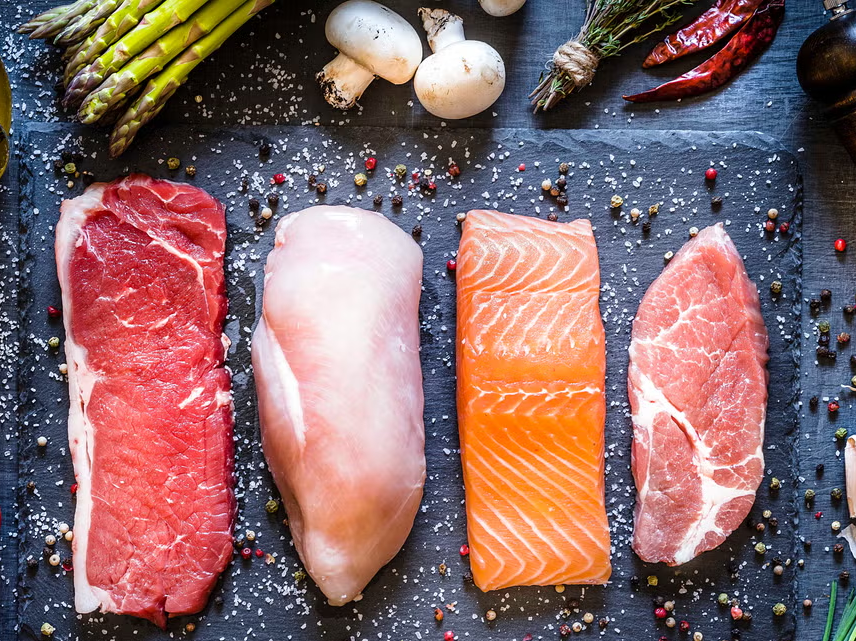
In today’s fast-paced world where health has become a top priority, high-protein diets are gaining immense popularity—and for good reason. Protein isn't just for athletes or bodybuilders anymore. It's a vital macronutrient that every person needs for a host of essential bodily functions.
In this blog, we will explore how you can incorporate a high-quality protein diet in your lifestyle, in order to achieve all the goals associated with such a diet.
Why Protein is a Wellness Essential
Protein is one of those nutrients that quietly does a lot of heavy lifting behind the scenes. It’s made up of amino acids, aptly called the building blocks of life, which play a vital role in nearly every part of our body. From building and repairing muscle to supporting hormones, enzymes, and immune function, protein is essential to keeping us healthy and energized. What’s especially important to know is that unlike carbs or fats, your body doesn’t store protein, so getting a steady supply through your diet is key. When you consistently eat enough protein, you’ll notice benefits like stronger muscles, better recovery from workouts or injuries, improved metabolism, and even stronger bones, thanks to its role in calcium absorption. It also does wonders for curbing appetite; protein-rich meals keep you full longer and help reduce those mid-afternoon cravings.
Best High-Protein Foods to Power Your Diet
There are many protein-rich foods to choose from, and variety is key. Eating a mix of different protein sources ensures that you're getting all essential amino acids as well as other vital nutrients like iron, B vitamins, and healthy fats. To get the most from a high-protein diet, it’s all about variety. Mixing up your protein sources not only makes meals more exciting but also helps you get a full range of amino acids and other important nutrients. If you eat animal products, lean meats like chicken breast and turkey are staples as they’re low in fat and high in satisfying protein, making them a great option for lunches and dinners. Eggs are another great option, offering highly absorbable protein along with choline, which supports brain health. They are also one of the most bioavailable protein sources, making them readily available for regular consumption and usage. Greek yogurt makes a delicious breakfast or snack that also helps with digestion, alongside their ability to positively affect gut health. Moreover, fish like salmon, tuna, and sardines bring in heart-healthy omega-3s fatty acids alongside their protein punch, making them another great option for high-quality protein. Even red meats like lean beef offer valuable nutrients like iron and zinc, especially when enjoyed in moderation. A combination of these proteins is effective in providing you with the right amount of calories in your diet, leading to a healthy and nutritious high-protein diet.
Plant-based eaters have no shortage of options either. Lentils, chickpeas, and black beans are fantastic staples as they’re also rich in protein, high in fiber, and good for gut health. Tofu and tempeh are versatile meat alternatives that soak up flavors beautifully in dishes like stir-fries and grain bowls. Quinoa is a standout grain because it’s actually a complete protein, meaning it provides all nine essential amino acids. And don’t forget the snacks such as edamame, nuts, and seeds like chia and flax are easy to sprinkle on meals or munch on throughout the day, adding a nutritious protein boost with the bonus of healthy fats.
How Much Protein Should You Be Eating
The amount of protein you should eat is dependent on how much protein you actually need as it’s not a one-size-fits-all number. Your ideal intake depends on things like how active you are, your age, and your health goals. For someone who isn’t very active, about 0.8 grams of protein per kilogram of body weight usually does the trick. But if you’re hitting the gym regularly or trying to build muscle, you’ll want more—somewhere between 1.2 to 2.2 grams per kilogram. So, if you weigh around 70 kg (about 154 pounds) and stay moderately active, you’d likely aim for anywhere between 100 to 140 grams of protein a day. The best approach? Don’t try to cram it all into one meal. Instead, spread your protein intake across breakfast, lunch, dinner, and snacks for better digestion and maximum impact.
High-Protein Meal Ideas to Keep You Inspired
Eating a high-protein diet doesn’t mean sacrificing flavor or variety—in fact, it can be one of the most enjoyable and satisfying ways to eat when done right. Start your mornings with a hearty breakfast like scrambled eggs loaded with spinach, mushrooms, and a bit of feta for a savory kick. If you’re more into sweet breakfasts, Greek yogurt with a drizzle of honey, granola, and fresh berries hits the spot, while a protein smoothie blended with banana, almond butter, spinach, and your favorite protein powder is a great grab-and-go option. Lunchtime is perfect for getting creative with wraps and salads—think grilled chicken and avocado wrapped in a whole-grain tortilla, or a vibrant quinoa salad mixed with black beans, corn, cherry tomatoes, and a tangy lime dressing. Even a simple turkey and hummus sandwich on whole-grain bread can go a long way in keeping you full and energized. Come dinnertime, go for satisfying meals like grilled salmon with a side of roasted veggies and wild rice, a tofu stir-fry tossed with colorful peppers and a soy-ginger glaze, or a cozy bowl of ground turkey chili packed with beans and spices. And let’s not forget snacks—hard-boiled eggs, cottage cheese with fresh peaches, a handful of trail mix with almonds and dark chocolate, or a clean-label protein bar can help you power through the day without reaching for junk food. The key is to enjoy what you’re eating while nourishing your body with the protein it needs.
Practical Tips for Maintaining a High-Protein Lifestyle
Sticking to a high-protein lifestyle doesn’t have to be complicated—it just takes a little planning and some smart habits. One of the easiest ways to stay on track is by planning your meals ahead of time. When you have protein-rich meals ready to go, you’re less likely to reach for processed snacks or fast food. Cooking in batches over the weekend can also be a game-changer—it saves time during busy weekdays and ensures you’re consistently hitting your protein goals. Don’t be afraid to get creative with your protein sources either. Mixing it up keeps things interesting and helps you get a wider range of nutrients. Just remember, protein shouldn’t take over your plate entirely. Make sure to balance your meals with plenty of fiber-rich vegetables, whole grains, and healthy fats from things like olive oil, avocados, and nuts. Also, since a high-protein diet can put extra demand on your kidneys, staying well-hydrated is essential—drink plenty of water throughout the day. And when you’re buying packaged foods, take a moment to read the labels. Look out for both the protein content and any sneaky added sugars or artificial ingredients that could derail your progress.
Adopting a high-protein diet can lead to a noticeable improvement in your physical and mental well-being. With better energy, improved muscle tone, reduced cravings, and more satisfying meals, it’s no surprise that so many people are turning to protein to meet their health and wellness goals.
live smarter
Shop smarter, live better, and stay ahead of the trends with our reliable recommendations!






trending
Health and Beauty
6 min read
How to Use Spicy Cubes for Adults & Couples
Health and Beauty
5 min read
Sihoo: Comfortable Chairs That Make Work and Study Easier
Health and Beauty
5 min read
Health Made Simple with Elavate
Health and Beauty
5 min read
Polar Haircare: Simple Hair Care for Everyday Life
Health and Beauty
6 min read